
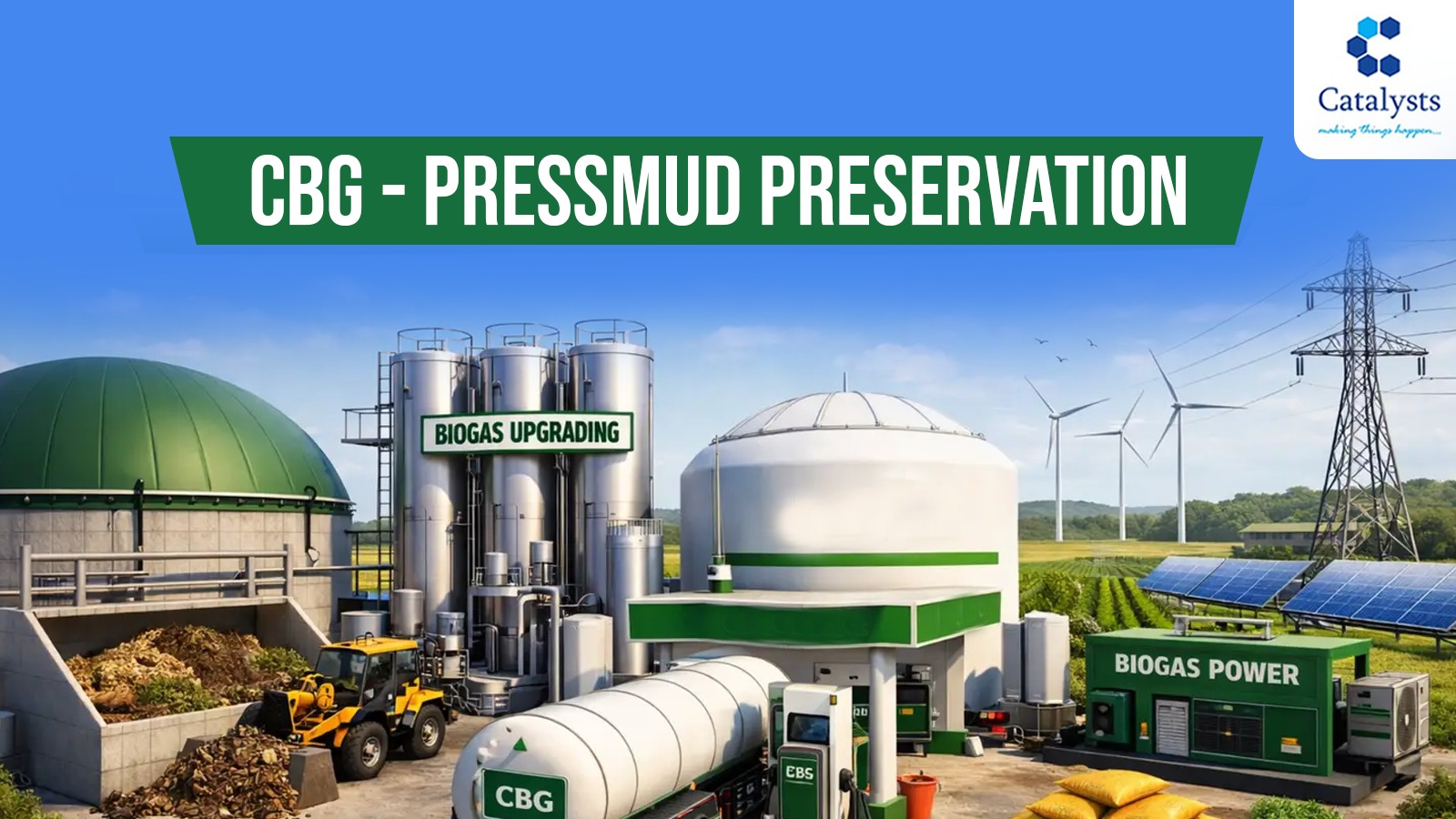
In India’s expanding Compressed Biogas (CBG) ecosystem, pressmud has emerged as a valuable bioenergy resource within integrated sugar complexes. Generated during the sugar crushing season, pressmud carries significant organic content that can be converted into methane under stable anaerobic digestion.
However, the real determinant of methane yield is not just digestion efficiency.
It is how well the feedstock is preserved before it enters the digester.
Pressmud: A Seasonal Energy Resource
Pressmud is available for only 4–6 months during the crushing season, while CBG plants operate throughout the year. As a result, large volumes, often 40,000 to 60,000 MT per season in integrated units — are stored for extended periods.
Fresh pressmud typically contains:
· Around 20–28% Volatile Solids
· Good biodegradable organic fraction
· Balanced nutrient profile for digestion
· Strong methane potential under stable process conditions
Because storage is unavoidable, preservation becomes a strategic priority.
The Storage Phase: Where Energy Potential Can Shift
Pressmud remains biologically active during storage. When kept in open yards or exposed to environmental fluctuations:
· Natural microbial degradation continues
· Aerobic breakdown may reduce digestible carbon
· Moisture and heat influence organic stability
· Easily degradable compounds may diminish over time
Industry observations suggest that ~2–5% variation in volatile solids can occur during extended storage depending on handling conditions.
At small scale, this seems minor.
At industrial scale, it is significant.
Why Volatile Solids Retention Matters
Volatile Solids represent the digestible organic fraction that produces methane inside the anaerobic digester.
Typical methane yield ranges for pressmud digestion are in the vicinity of:
· Around 400–450 m³ biogas per ton of VS, depending on plant efficiency
· Raw biogas methane content typically in the 50–65% range under stable conditions
This means even modest improvements in VS retention can translate into measurable increases in CBG output.
For example:
Preserving just around 2–3% additional volatile solids across ~65,000 MT seasonal volume can potentially:
· Unlock around 300–380 tons of additional CBG
· Translate into a value opportunity in the range of 1.5-2.0 crore, depending on plant performance and pricing
Small percentage improvements multiplied by large volumes create meaningful impact.
Beyond Yield: Impact on Digester Stability
Preservation does not only influence output — it influences process stability.
When feedstock quality remains consistent:
· Organic loading rates are easier to control
· Sudden VFA spikes are minimized
· Methanogenic activity remains stable
· Gas production becomes more predictable
Feed consistency upstream reduces variability downstream.
Pressmud Preservation in India’s Growing CBG Landscape
With initiatives such as SATAT and the National Bioenergy Programme encouraging expansion of CBG infrastructure, integrated sugar complexes are increasingly adopting circular models — converting pressmud into clean fuel.
As capacity scales, optimizing methane yield per ton of biomass becomes increasingly important.
Infrastructure expansion improves opportunity.
Feedstock preservation improves performance.
Maximizing output from existing biomass aligns directly with:
· Waste-to-wealth principles
· Circular bioeconomy models
· Integrated sugar–ethanol–CBG systems
· Long-term operational sustainability
Preservation as Energy Inventory Management
Pressmud should not be viewed as passive stored material.
It should be treated as stored methane potential.
Every percentage of volatile solids retained represents protected energy.
Every percentage lost represents unrecoverable output.
In large-scale CBG plants, preserving even a few percentage points of volatile solids can influence annual gas production and overall plant economics.
Final Perspective
Methane is generated inside the digester — but its potential is safeguarded during storage.
In a rapidly expanding CBG ecosystem, pressmud preservation is not merely a storage practice — it is a strategic efficiency lever.
Protect the organic matter today, and the digester will reward you tomorrow.
Recent Posts
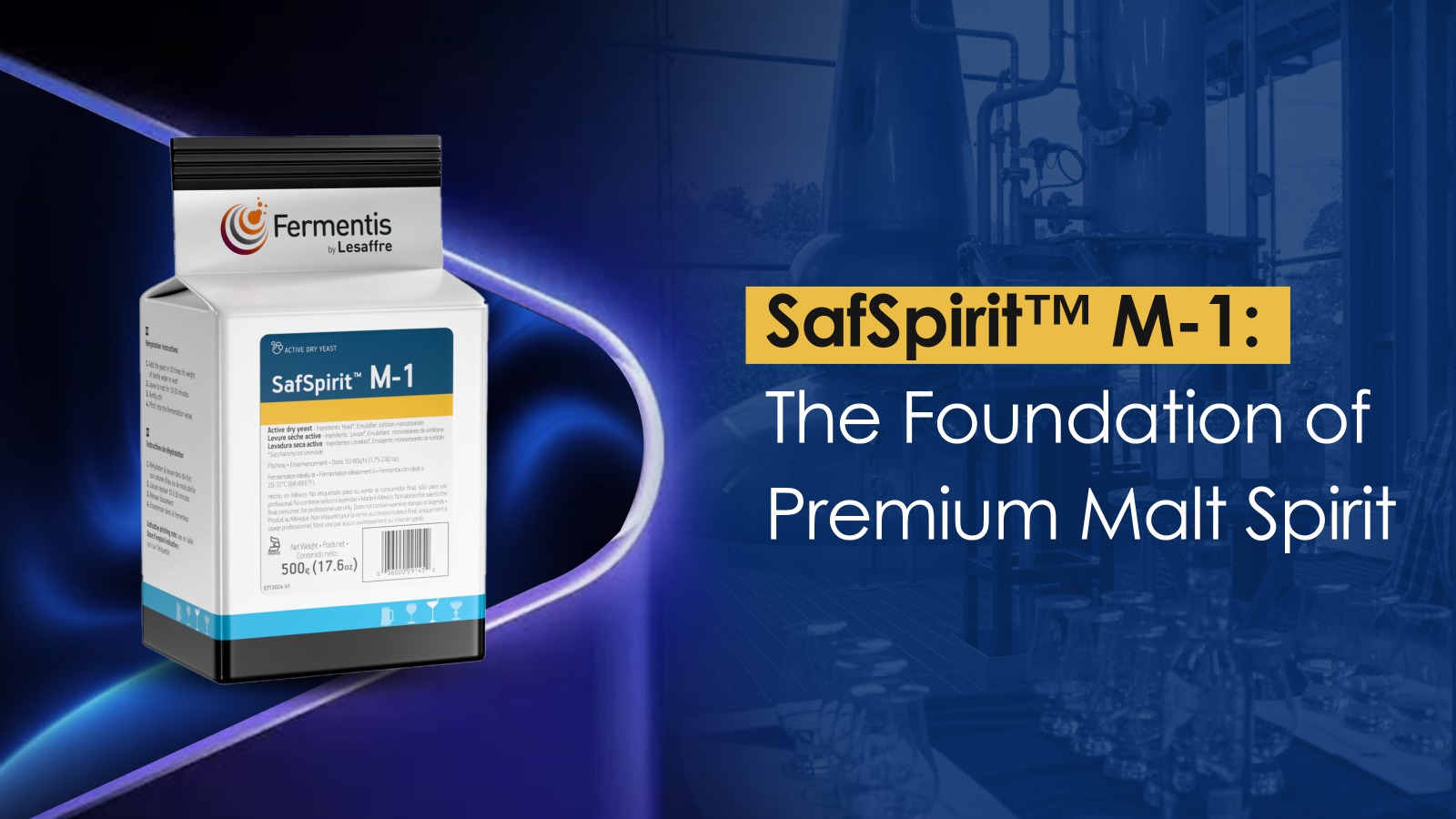
SafSpirit™ M-1: Building Premium Malt Spirits from the Fermentation Stage
Discover SafSpirit™ M-1, where premium malt spirits are crafted from the fermentation stage. Elevate your spirits experience with our expert techniques.
-1775618224.png)
HPLC Analysis of Fermented Wash in Grain Ethanol Production: What Your Sample Is Really Telling You
Discover the insights HPLC analysis provides in fermented wash for grain ethanol production. Uncover what your sample reveals about quality and efficiency.
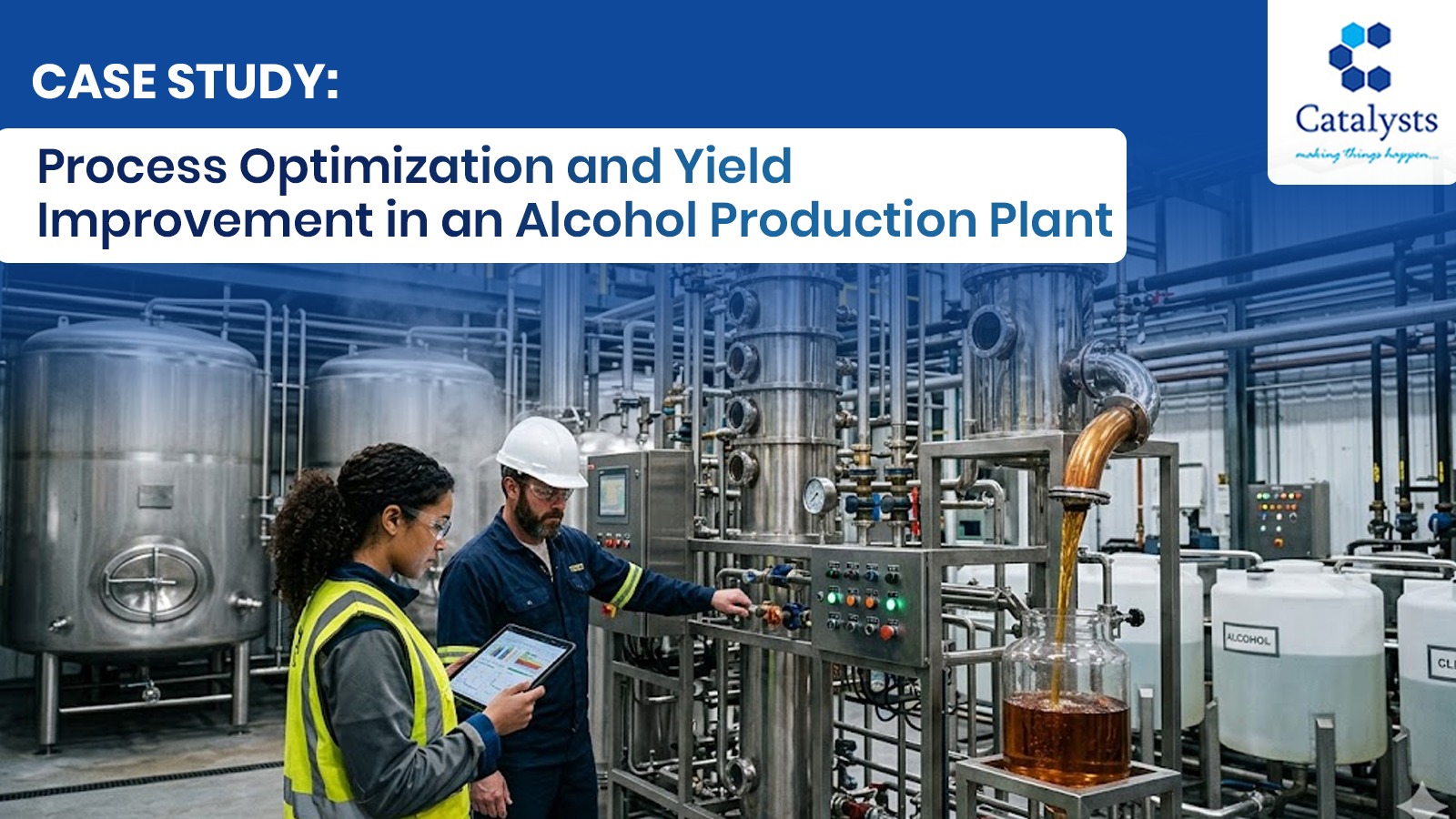
Case Study: Process Optimization and Yield Improvement in an Alcohol Production Plant
Uncover the strategies behind successful process optimization and yield enhancement in an alcohol production plant, leading to significant performance gains.
Catalysts Connect
Keep up to date with our latest news and analysis by subscribing to our regular magazine and newsletter
Post a comment
Your email address will not be published.