Molasses

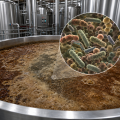
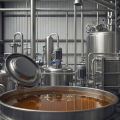
Molasses and syrup fermentation pose significant challenges for distillers due to their high fermentable sugar content. However, once diluted or exposed to high water activity, they become a breeding ground for bacterial and fungal growth. These microbial contaminants can come from various sources, including molasses, raw water, wastewater recycling stream, circulation pumps, PHE, and aeration. This results in contamination issues during storage and processing, leading to fermentation efficiency loss.

To mitigate these challenges, distillers frequently clean their equipment and troubleshoot to minimize yield loss. However, the contamination level of different input sources creates challenges in fermentation, leading to decreased efficiency and revenue losses.

Moreover, microbial contamination not only consumes valuable fermentable sugar but also produces harmful by-products such as lactic acid, which negatively affects yeast health, resulting in ethanol yield loss and sometimes stuck fermentation. These challenges require continuous focus and attention to minimize losses and maintain efficiency in molasses/syrup fermentation.

Our Products

Our products enhance the quality and yield of alcohol by hydrolysing unfermentable sugars and controlling the contamination; thereby improving the alcohol recovery and fermentation efficiency.

In ethanol fermentation, reliance on conventional nutrient sources such as urea and DAP can lead to inefficient nutrient utilization, stressed yeast performance, and inconsistent fermentation efficiency, especially under high gravity or recycled wastewater conditions.
Explore More
The recycle streams often contain high level of volatile acids and other organic pollutants which cause significant stress on the yeast during fermentation. Further, many recycled streams also consist of bacterial contamination, which consume fermentable sugars, produce inhibitory metabolites like volatile fay acids (VFAs), and reduce overall fermentation efficiency and alcohol yield.
Explore More
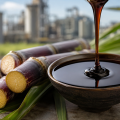
Preserving sugarcane Molasses during storage is a major challenge due to rapid crystallization, microbial contamination, and degradation of fermentable sugars. These issues often lead to reduced sugar content, increased acidity (TVA), foaming, and deterioration in color and aroma, especially under favorable climatic conditions.
Explore More
High-performance biocide for controlling bacterial contamination in sugar and molasses-based fermentation processes. Bacterial contamination in sugar and molasses fermentation leads to quality deterioration, sugar loss, and reduced ethanol yield, impacting overall process efficiency.
Explore More
Broad-Spectrum Antimicrobial for Fermentation. Microbial contamination, especially by lactic acid bacteria like Lactobacillus, poses a significant barrier in industrial ethanol fermentation. Bacterial proliferation results in the production of organic acids, diminished yeast viability, slower fermentation rates, and significant drops in ethanol yield. Effective management of bacterial contamination is crucial to ensure stable fermentation performance, prevent blocked fermentation, and optimize ethanol yield.
Explore More
High-performance active dry yeast for efficient high-gravity ethanol fermentation across sugarcane-based feedstocks. Conventional yeast propagation and culture-based systems often lead to variability in fermentation performance, contamination risks, and lower ethanol yield due to inconsistent yeast health.
Explore More
Specially designed fermentation booster for sugarcane syrup-based fermentation. Cane juice syrup fermentation presents multiple operational challenges including high osmotic stress, rapid pH drops, bacterial contamination (leuconostoc), and lower nutrient availability, resulting in inefficient fermentation and ethanol yield loss.
Explore More
Enzyme-based fermentation efficiency boosters with antimicrobial action for molasses distilleries. Fermentation in molasses distilleries is often impacted by bacterial contamination such as Bacillus, lactic acid, and acetic acid bacteria, which reduce fermentation efficiency, increase by-product formation, and lower alcohol yield. Controlling these contaminants under varying process conditions is a major industry challenge.
Explore More

Catalysts Connect

Keep up to date with our latest news and analysis by subscribing to our regular magazine and newsletter